
Leverage was Invited to the 6th Green Pharmaceutical Environmental Protection Seminar & 2024 ESG Roundtable to Jointly Strategize on Sustainable Development for the Pharmaceutical Sector
On June 19, 2024, the 6th Green Pharmaceutical Environmental Protection Seminar and the 2024 Green Pharmaceutical ESG Roundtable were successfully held in Shanghai. The event was jointly organized by the All-China Environment Federation, the China Chamber of Commerce for Import & Export of Medicines & Health Products, and Shanghai UBM Sinoexpo International Exhibition Co., Ltd. It aimed to explore how green pharmaceuticals can lead industrial transformation and upgrading through the ESG concept under the backdrop of global sustainable development, achieving a harmonious balance between economic benefits and environmental & social benefits. The conference attracted senior management from pharmaceutical companies, heads of environmental protection and safety departments, EHS departments, quality management departments, equipment procurement departments, as well as engineers, experts, and product managers from environmental technology and equipment companies. Participants engaged in discussions and exchanges, collectively strategizing for the sustainable development of the pharmaceutical industry. Our CEO Mr. Qu Weifeng was invited to attend and delivered a theme speech.
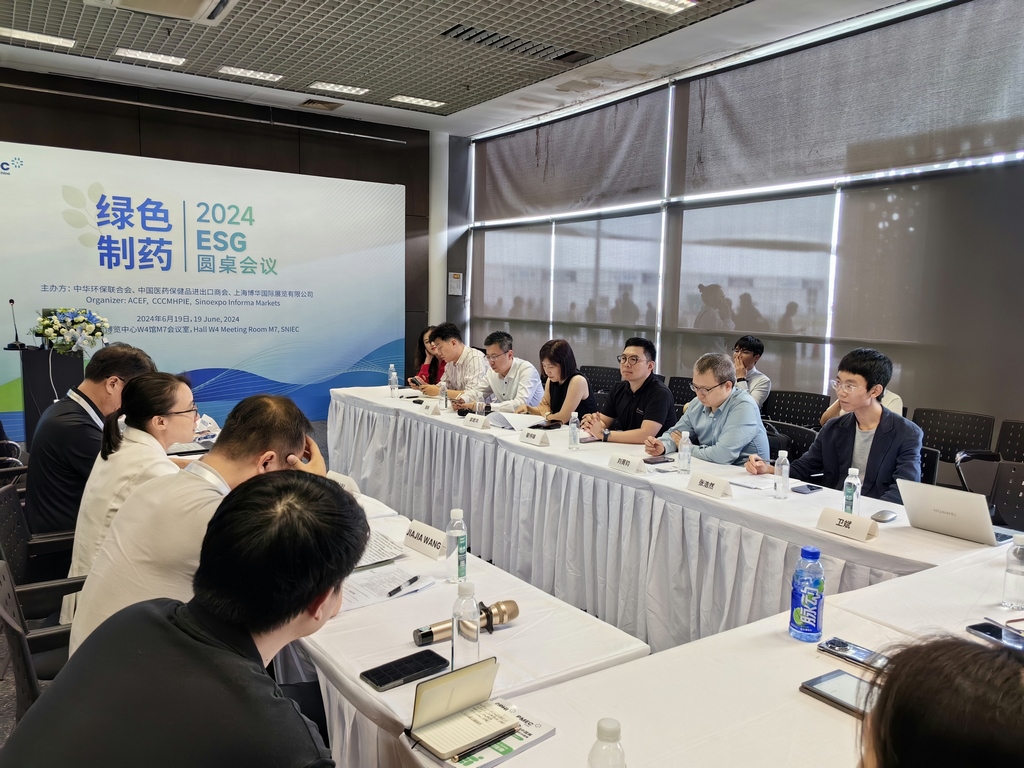
The main theme of the conference was the discussion on ESG information disclosure and environmental management enhancement in the pharmaceutical industry. It was chaired by Mr. Lin Bin, Director of the ESG Professional Committee of the All-China Environment Federation, President of the Zhonganzheng Natural Science Research Institute, and Member of the Think Tank Committee of the All-China Federation of Industry and Commerce. Attendees, in addition to Mr. Qu, included Lü Jianzhong, Deputy Director of the ESG Professional Committee of the All-China Environment Federation and Board Director of the Global Reporting Initiative (GRI); Liu Yifang, Standing Committee Member and Think Tank Expert of the ESG Professional Committee of the All-China Environment Federation, Director, Professor, and Doctoral Supervisor of the Center for Sustainable Accounting Standards Research at the Central University of Finance and Economics; Wang Jiajia, Director of the Public Welfare Department of the All-China Environment Federation; Dou Junhong, Deputy Director of the Industrial Innovation Working Committee of the China Association for Science and Technology Finance Promotion; Zhang Haoran, Senior Manager of the Green Finance 60 Forum at the Shanghai Jinsinan Financial Research Institute; as well as personnel responsible for sustainable development or ESG strategy management from related pharmaceutical enterprises.
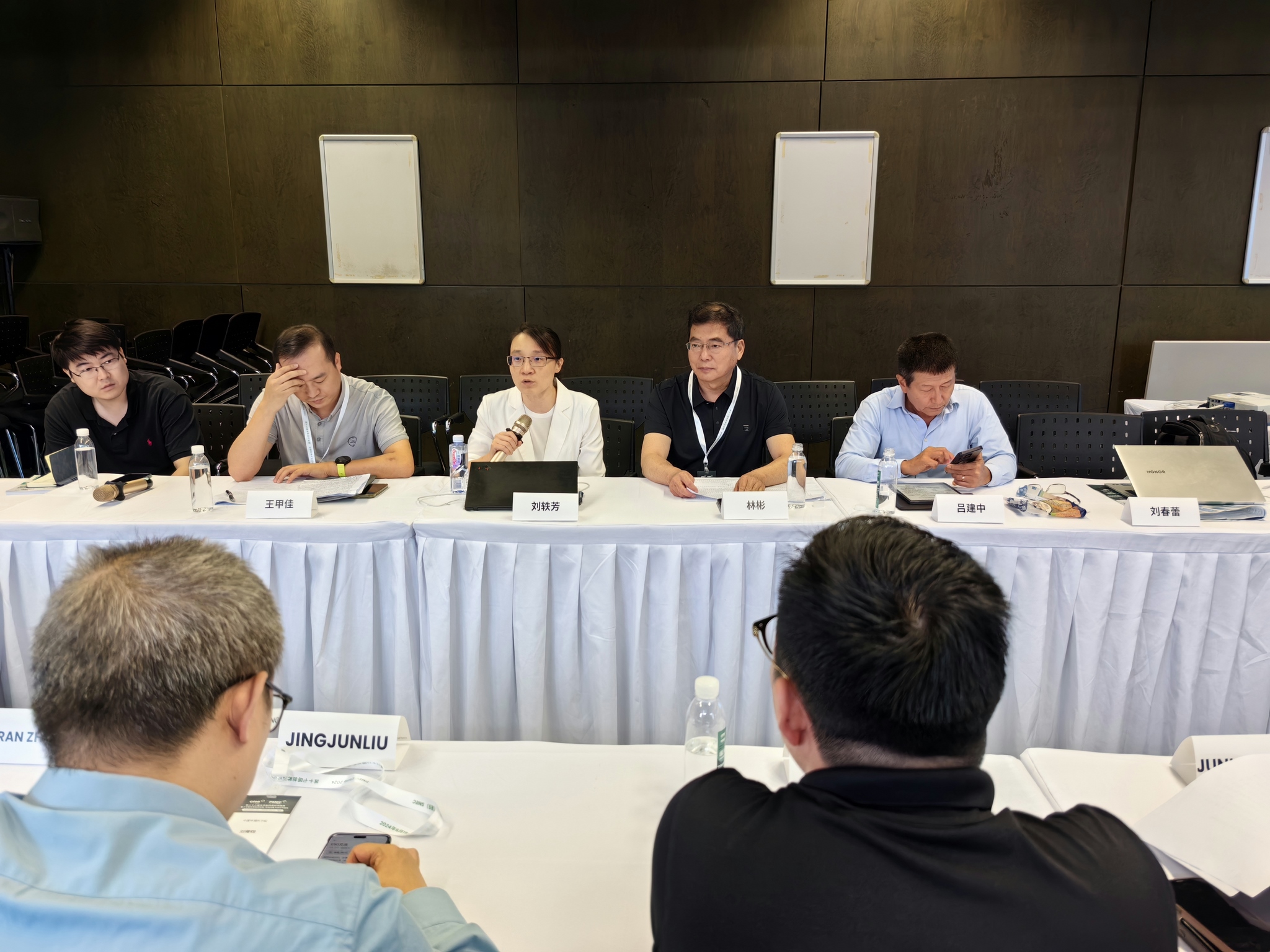
Mr. Qu participated in this conference concurrently as a Think Tank Expert Committee Member of the ESG Professional Committee of the All-China Environment Federation, a Certified Consultant for the International Labour Organization's SCORE Sustainable Development Project, and a Certified Anti-Fraud Professional of the International Anti-Fraud Association.
During his presentation, Mr. Qu first introduced his current work and practical experience in ESG. As the Leader of the Shanghai ESG Project Group under the ESG Professional Committee of the All-China Environment Federation, he is spearheading the development of the Federation's Evaluation Standards for Corporate ESG Practitioners. He is also identifying suitable sites in Shanghai for ESG practice research bases to advance related ESG research and showcase best practices.
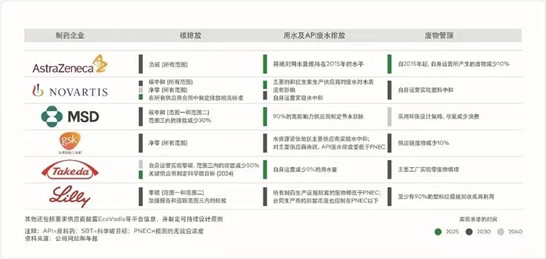
Mr. Qu then outlined the sustainable management requirements of several pharmaceutical companies, particularly focusing on indicators and targets related to climate change and environmental protection. Beyond managing their own emissions, these companies are actively promoting emission reduction efforts within their supply chains.
For instance, GSK has pledged to achieve water neutrality for key suppliers in water-stressed areas and committed to reducing waste from its supply chain by 10% by 2030. Meanwhile, MSD aims to establish and pursue water conservation targets for 90% of its high-impact suppliers (as illustrated in the figure below).
The figure below shows commitments made by major pharmaceutical companies regarding emissions, waste, and water.
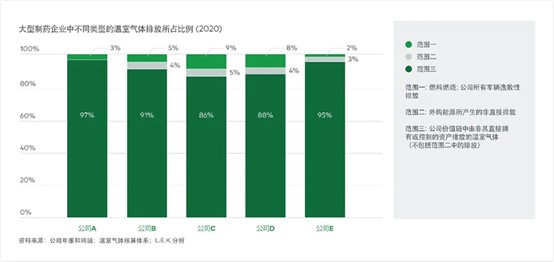
The pharmaceutical industry presents unique challenges in terms of greenhouse gas emissions. Due to the carbon-intensive nature of its raw materials and processes, Scope 3 emissions significantly exceed those of other industries, accounting for approximately 90% of the total. This places immense pressure on the supply chain in addressing climate change.
Furthermore, from a global sustainable supply chain perspective, Mr. Qu introduced various applicable standards and industry-specific sustainability tools, namely ECOVADIS and PSCI, which are particularly relevant to the pharmaceutical sector.
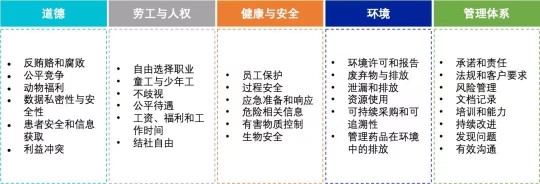
The PSCI Responsible Supply Chain Principles articulate the industry's expectations for supply chains, covering five areas of responsible business practice: Ethics, Labor & Human Rights, Health & Safety, Environment, and Management Systems.
EcoVadis is an online sustainability ratings platform widely adopted by numerous global brands as a key tool for managing supply chain risks. In recent years, an increasing number of domestic companies have been required to undergo EcoVadis assessments. The platform's scoring criteria become more stringent annually, incorporating new questions. To succeed, companies must commit to continuous improvement.
Finally, Mr. Qu addressed regulatory requirements and industry practices for preventing greenwashing in corporate ESG report disclosures. He specifically highlighted Leverage's services for clients, including greenhouse gas verification and ESG/TCFD report assurance based on the AA1000 standard.
The AA1000 Assurance Standard (AA1000AS v3) is the world's most widely used assurance standard for sustainability reports. It provides a framework for assuring the sustainability information of all types of organizations, aiming to enhance the transparency, reliability, and credibility of reports.
AA1000 assurance not only improves the transparency and reliability of corporate ESG reports but also holds significant importance in enhancing corporate reputation, managing risks, driving improvements, meeting regulatory requirements, attracting investment, elevating internal management standards, and strengthening competitive advantage. Therefore, implementing AA1000 assurance is a crucial component of the sustainability strategy for many enterprises.
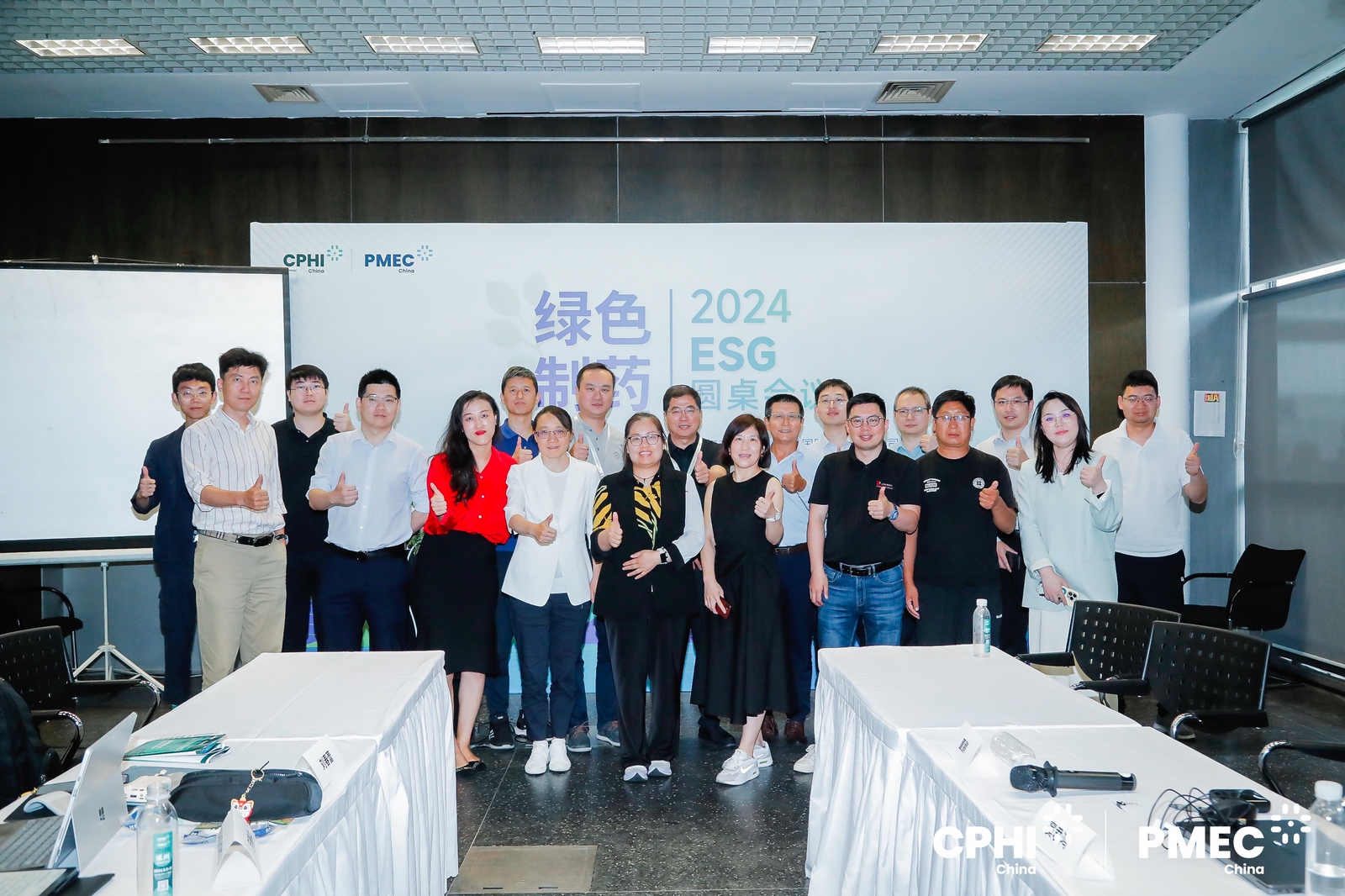
During the conference, delegates not only conducted in-depth analysis of the current state and challenges of green pharmaceutical development but also proposed many constructive opinions and suggestions regarding future directions and opportunities. As global focus on sustainable development intensifies, green pharmaceuticals will become a major trend in the industry's evolution. Moving forward, pharmaceutical companies need to strengthen technological innovation, optimize supply chain management, proactively respond to policy adjustments, and enhance communication with capital markets to secure more support and resources.
Through this conference, various stakeholders in the pharmaceutical industry have not only deepened their understanding of green pharmaceuticals but also established closer cooperative relationships. We have reason to believe that through the concerted efforts of all parties, the pharmaceutical industry can achieve greener and more sustainable development, making greater contributions to global health.
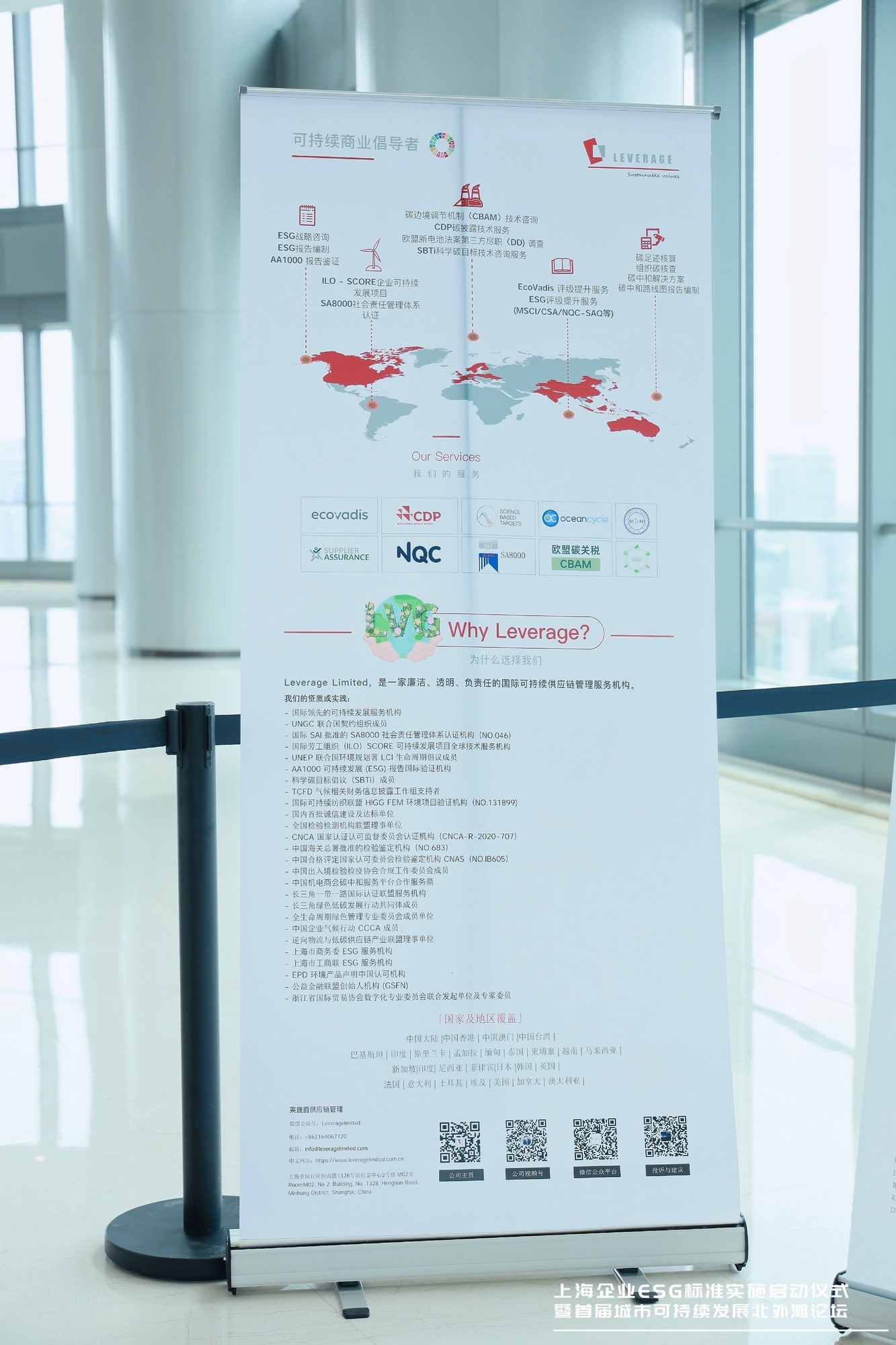
From vigorously promoting corporate sustainability transformation and helping Chinese enterprises integrate more conveniently, responsibly, and confidently into global supply chains, to conducting business-for-good practices from multiple perspectives and actively disseminating knowledge, concepts, and best practices related to compliance, responsible supply chains, ESG, and dual-carbon goals—Leverage has always been committed to leveraging its industry influence to promote sustainability among supply chain stakeholders. In the future, Leverage will continue to utilize its team's expertise to assist enterprises in their sustainability transformation. We look forward to collaborating with more partners to jointly advance China's sustainable development strategy.
If you want to know more information, please contact us:
■ Shanghai :
Leverage Limited (Shanghai) Co., Ltd.
Address: Room 402, No 2. Building, No .1328, Hengnan Rd, Shanghai, China
Phone: + 86 21 64067720
Email: info@leveragelimited.com
■ Hongkong :
Leverage Global Limited
Address: Room 1318-19, Hollywood Plaza, 610 Nathan Road, Mongkok, Kowloon, Hong Kong
Phone: +852 30696906
Email: bruce.lau@leveragelimited.com


【Contact Us】
Tel:
+86 21 64067720
Email: info@leveragelimited.com
Related Posts
Our Partners


